Government of Iraq and FAO Finalize Legislative Review of Animal Health Laws
03 November 2025
Erbil, 30 October 2025
In collaboration with the Government of Iraq, the Food and Agriculture Organization of the United Nations (FAO) in Iraq is convening a series of meetings of the National Committee for the Review of Animal Health and Veterinary Legislation.
Held from 30 October to 2 November 2025, these meetings represent a key milestone in FAO’s ongoing efforts to strengthen the legislative and regulatory framework governing animal health and veterinary services in Iraq.
The Committee brings together representatives from the Ministries of Agriculture, Health, Environment, and Water Resources, alongside representatives from the Kurdistan Regional Government, border control authorities, the Veterinary Syndicate, and the Parliamentary Committee on Agriculture, Water and Marshlands.
During these meetings, members will be conducting the final review of the draft amendments to the Animal Health Law, in addition to the draft Veterinary Quarantine Regulation and the draft Animal Welfare Regulation, prior to their official submission to the Ministry of Agriculture.
These legislative updates are expected to enhance the efficiency and effectiveness of Iraq’s veterinary system, aligning national laws and procedures with international standards and improving service delivery across the country.
This initiative builds on the results of Phase I of the Animal Health Programme, which concluded with a comprehensive review of the existing legal framework. The ongoing Phase II focuses on strengthening both primary and secondary legislation to ensure the delivery of high-quality veterinary services nationwide.
Dr. Mithaq Al-Khafaji, Technical Deputy Minister at the Ministry of Agriculture, stated: “The Government of Iraq highly values FAO’s technical support and close collaboration in this field. Strengthening and modernizing animal health laws and regulations is a fundamental step to provide the legal foundation that ensures the protection of livestock resources, supports breeders, safeguards public health, and drives sustainable agricultural development in Iraq.”
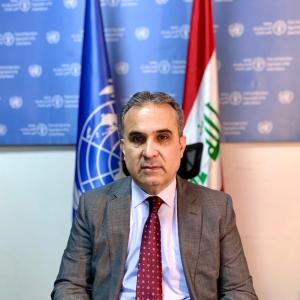
Dr. Salah El Hajj Hassan, FAO Representative in Iraq, emphasized: “These efforts represent an important step toward developing Iraq’s veterinary legislation and aligning it with international standards under the One Health approach. The updated laws will help improve veterinary services, enhance biosecurity, and strengthen preparedness to combat animal diseases—ultimately ensuring better health for animals and humans, food safety, and improved livelihoods for Iraqi livestock keepers.”
The outcomes of the Committee’s deliberations will be submitted to the relevant national authorities for official adoption and implementation in the next phase of the legislative reform process.
This initiative directly contributes to the achievement of the Sustainable Development Goals (SDGs), particularly SDG 2 (Zero Hunger), SDG 3 (Good Health and Well-Being), and SDG 15 (Life on Land), by promoting resilient livestock systems, safeguarding public health, and protecting natural resources in Iraq.




UN entities involved in this initiative
Goals we are supporting through this initiative